Programs for Grades 6-12
Stream Exploration & Assessment
Can be tailored for grades 6th - 12th
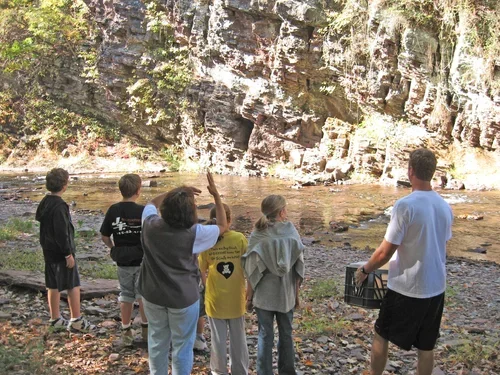
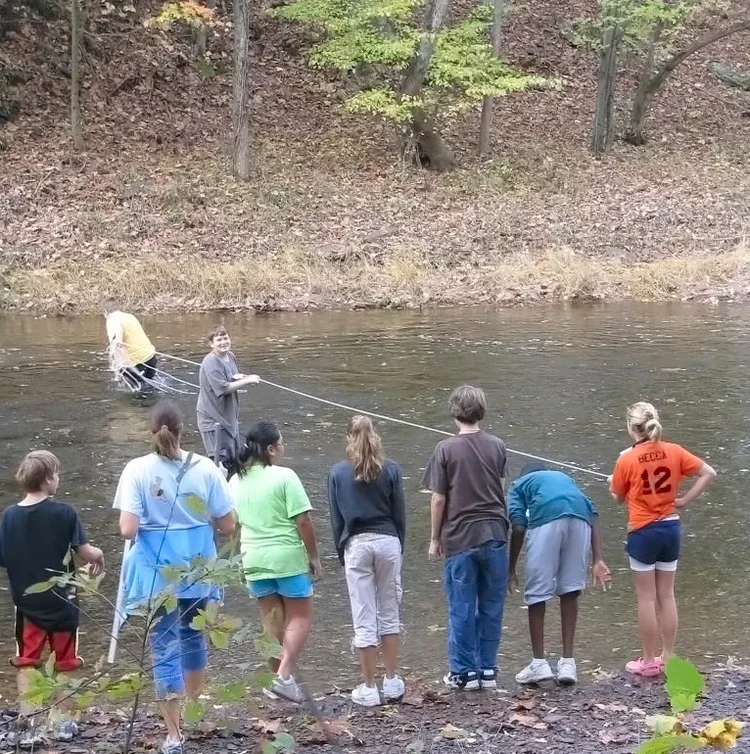
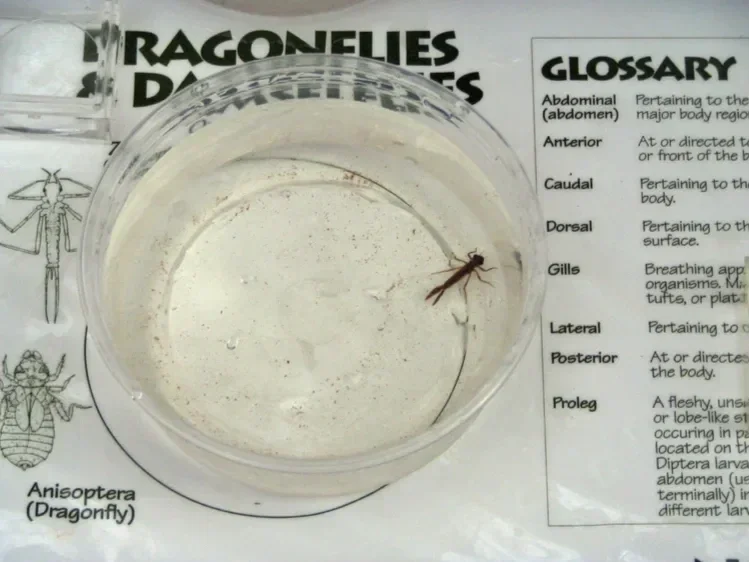
A more ‘in depth’ version of our popular Stream Investigations program, this lesson examines aquatic macroinvertebrates and their role as biotic indicators of water quality as well as several other metrics of stream health. Students will also conduct chemical tests and measure physical characteristics such as width, depth, temperature, and velocity. After gathering this data, students will examine the relationships between these factors and make conclusions about the overall health of the East Branch Creek!
Booking & Pricing
$16.00 per student, only offered at Conservancy
Full Day program, approximately 4 hours and 15 minutes in length
The Watershed Game
Recommended for grades 8 - 12
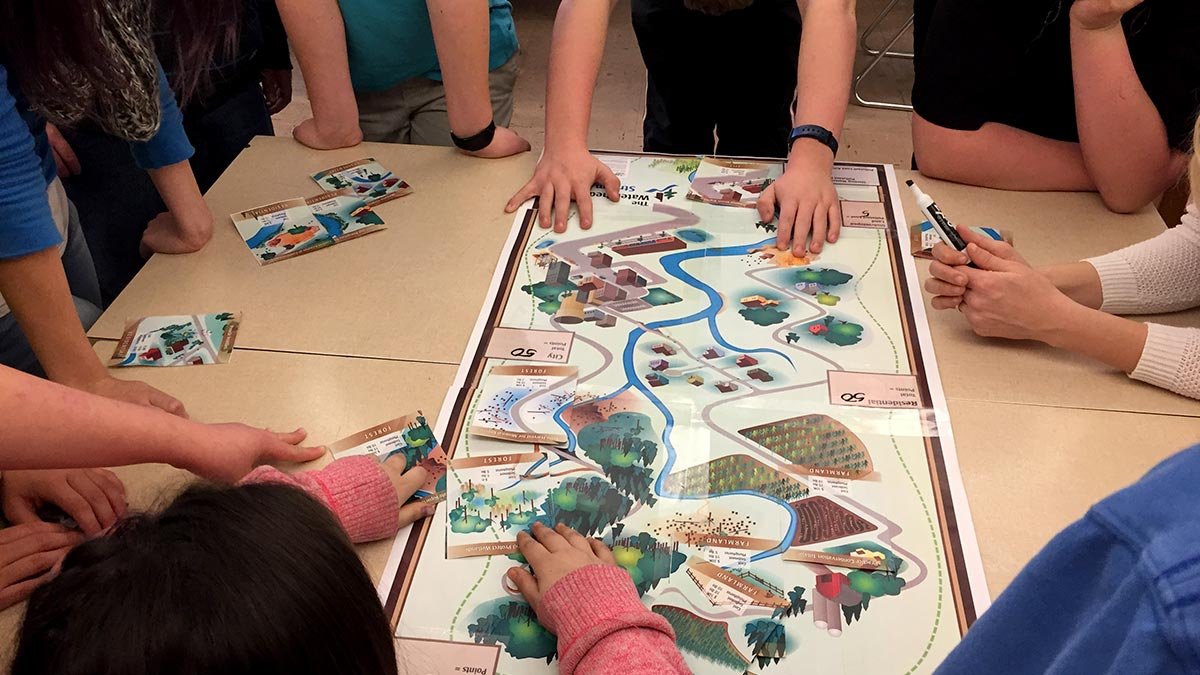
Developed by the University of Minnesota’s Sea Grant program, The Watershed Game is an interactive board-game style program in which students assume the roles of scientists and community leaders to address the effects of pollution. Students learn about the causes of sediment and phosphorus pollution, as well as the detrimental effects it can have on a community. They must use their skills of communication and cooperation in order to navigate these challenges and win the game.
Booking & Pricing
$9.50 per student plus a $10 Travel & Transportation fee per class when held at your classroom
$8.00 per students when held at the Conservancy
Half day program, approximately 1 hour and 45 mins
Floating Classroom & Green Lane Reservoir
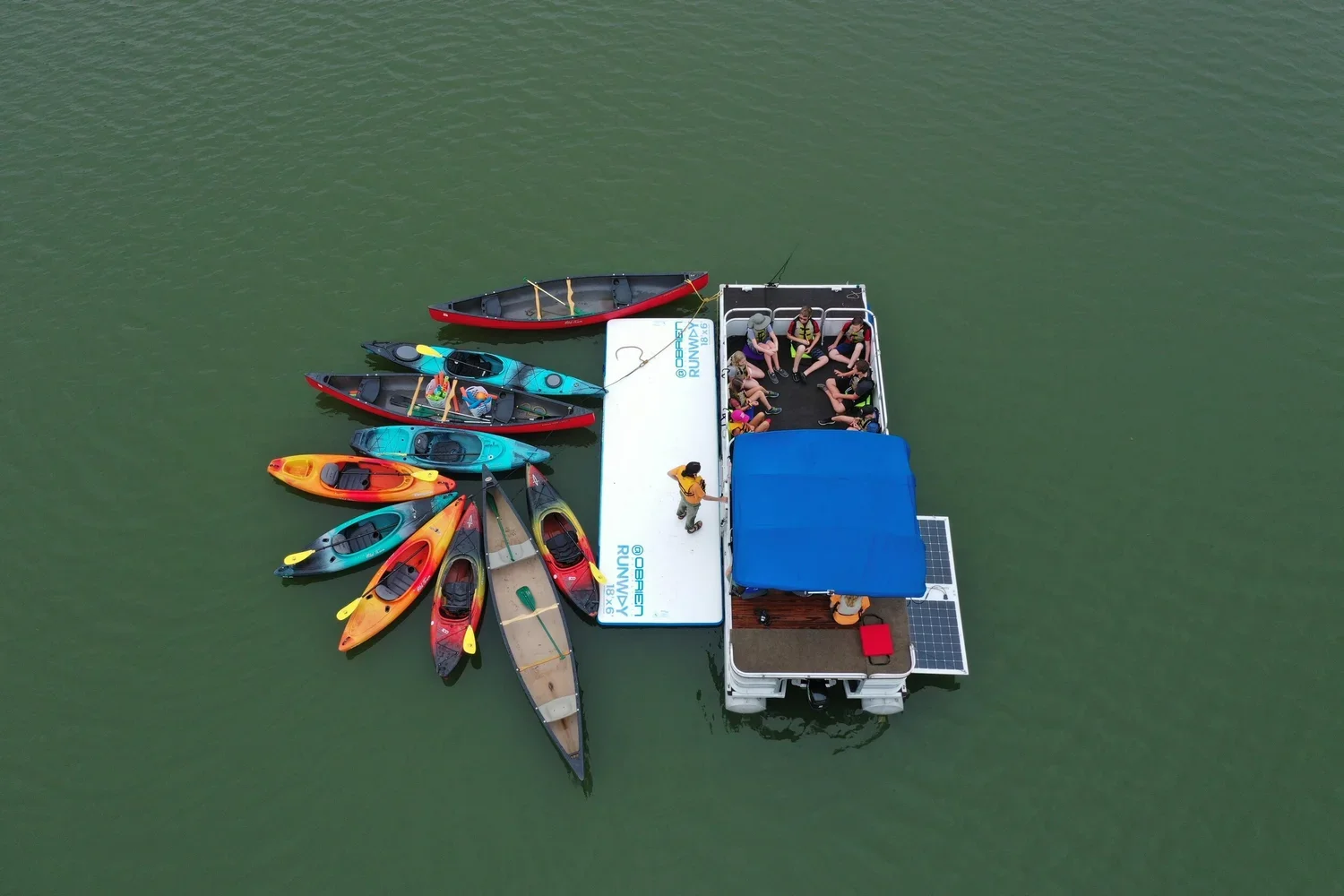
Looking for a truly unforgettable field trip? Check out our Floating Classroom programs at the Green Lane Reservoir! From water quality testing, to kayaking 101, our Floating Classroom program has something for everyone!
Click here for more information about the Floating Classroom
PDE Academic Standards covered by these programs include…
4.2.6.A - Identify the five major watersheds of Pennsylvania.
4.2.6.B - Describe the characteristics of soils found in a wetland.
4.2.6.C - Identify natural and human-made factors that affect water quality.
3.1.6.A2 - Describe how energy derived from the sun is used by plants to produce sugars (photosynthesis) and is transferred within a food chain from producers (plants) to consumers to decomposers.
3.3.6.A4 - Describe how water on earth cycles in different forms and in different locations, including underground and in the atmosphere.
3.1.7.A2 - Describes how organisms obtain and use energy throughout their lives.
4.1.7.A - Describe the relationships between biotic and abiotic components of an ecosystem.
4.1.7.D - Explain how biological diversity relates to the viability of ecosystems.
4.2.7.A - Explain how water enters, moves through, and leaves a watershed. Explain the concept of stream order. Describe factors that affect the flow and water quality within a watershed
4.2.7.B - Explain the primary functions of a wetland within a watershed. Providing habitat, flood control, water purification. Serving as buffer zones, wildlife propagation areas, and food and fiber systems
4.2.7.C - Use appropriate tools and techniques to analyze a freshwater environment. Interpret physical, chemical and biological data as a means of assessing the environmental quality of a freshwater environment.
4.5.7.C - Explain how human actions affect the health of the environment.
4.2.8.A - Describe factors that affect the quality of ground and surface waters.
4.2.8.B - Explain the value of wetlands to other living things.
4.5.8.A - Explain how Best Management Practices (BMP) can be used to mitigate environmental problems.
4.5.8.C - Describe how humans can reduce pollution.
4.2.10.A - Examine the interactions between abiotic and biotic factors within a watershed. Describe how topography influences the flow of water in a watershed. Describe how vegetation affects water runoff. Investigate and analyze the effects of land use on the quality of water in a watershed
4.2.10.C - Explain the relationship between water quality and the diversity of life in a freshwater ecosystem.